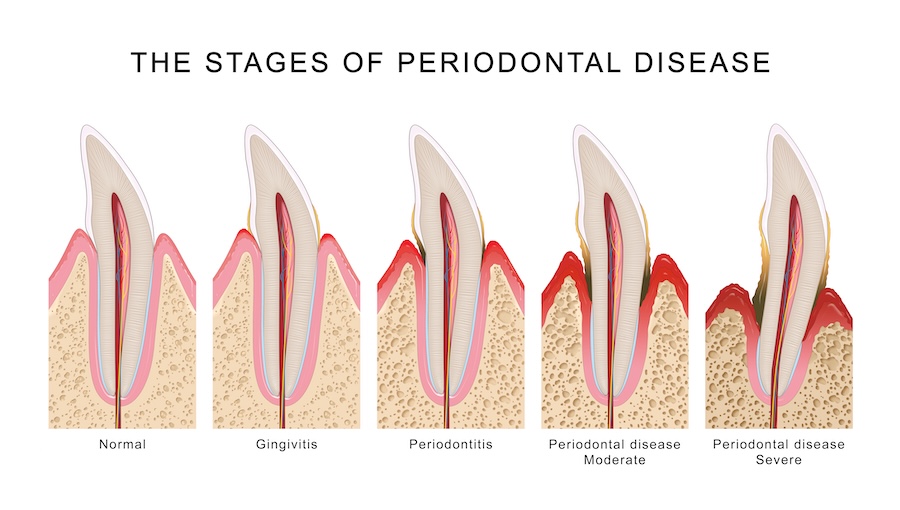
Gum disease often starts with things people have gotten used to seeing. A little blood when you floss, one puffy spot between two teeth, or gums that look red around the edges can start to feel “normal” when they happen often enough. Bleeding gums may be common, but they are still a sign of inflammation, and we do not want that inflammation hanging around your teeth day after day.
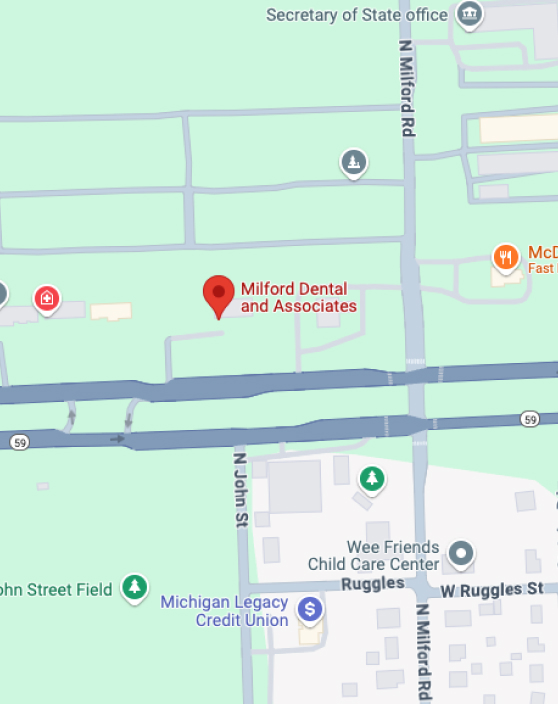
At Hillstream Dental, we care for patients in Rochester Hills, St. Clair Shores, and Milford, Michigan. Dr. Dominik Wietrzynski and our dental team check the gums closely during routine visits because early inflammation can build gradually around the teeth. Catching it early gives us a better chance to calm the inflammation down before it starts affecting the bone and tissue that support your teeth.
Bleeding Keeps Showing Up in the Same Spot
A one-time slip with the floss can make a gum bleed. When the same area leaves pink on your toothbrush or floss several times a week, plaque and inflammation are often involved. You may even know the exact spot before you get there because it always feels a little tender or bleeds as soon as the floss passes through.
Keep cleaning the area gently with a soft toothbrush and floss. Plaque sitting along the gumline keeps the tissue irritated, so consistent cleaning gives the gums a better chance to settle down. If the bleeding keeps coming back, we can check for tartar or inflammation that needs more than home care.
Sometimes the floss comes out with more than blood. You may notice a bad smell from the same space or see bits of buildup around one area that never seems to stay as clean as the rest. When one spot keeps doing the same thing over and over, we want to see what is going on there.
One Part of Your Gumline Looks Puffy or Swollen
Inflamed gums often look fuller around the edges or bulge slightly between two teeth. You might notice one little triangle of gum looks rounder than the others or has a shinier, darker color. The area may also feel tender when you brush across it.
Swelling can make flossing feel different too. A space that used to be easy may suddenly feel snug, and food may start wedging there more often. That trapped food can keep the tissue irritated if the area is already inflamed.
If one area stays swollen for several days or keeps puffing back up, we can check for plaque, tartar, trapped food, or a problem with the tooth beside it. Sometimes the cause is easy to see once we get a better look around the gumline.
Your Breath Turns Stale Again Too Quickly
You brush in the morning and feel fresh for a while, then the same stale taste or smell is back before lunch. Bacteria around inflamed gums can contribute to that, especially when buildup has worked its way deeper around the teeth. Mouthwash may cover it for a bit, but bacteria below the gumline are still there.
Floss can tell you a lot about your mouth. If it smells unpleasant after cleaning the same few teeth, bacteria and debris may be sitting there. Bleeding is often a clear sign of inflammation, disease, and infection.
As gum pockets deepen, bacteria settle farther below the gumline where a toothbrush cannot reach. Professional cleaning removes hardened tartar and buildup from those areas. Once that buildup is gone, the gums have a better chance to settle down and the stale taste or odor may improve too.
A Tooth Looks Longer Than It Used To
Gum recession can creep up slowly. One day you notice that a tooth looks longer in a photo, or there is a yellower strip near the gumline that you do not remember seeing before. Cold water may also start hitting that exposed root and giving you a quick zing.
Recession can come from gum disease, heavy brushing pressure, tooth position, or years of changes in the tissue. During an exam, we can measure around the tooth and check the bone underneath when needed. That tells us how much recession is there and whether the support around the tooth has changed.
You may also feel a little ledge or notch with your tongue near the gumline. Once your tongue finds it, it tends to keep going back to the same place. We can check that area and see whether the change is coming from recession, wear near the gumline, or something else around the tooth.
Your Gums Feel Sore or Tender
Tender gums can feel bruised when you floss, sore when you brush, or irritated when your tongue presses against them. Sometimes it is one small spot, and sometimes several teeth have tender tissue around them. You may notice the soreness most at the end of the day or after eating.
Food can make the area more annoying. A popcorn hull, piece of meat, or something crunchy may push into the gum and leave it aching afterward. But, if the soreness sticks around after the food is gone, the tissue itself may already be inflamed.
We can check for tartar, swelling, food traps, and deeper pockets around the tooth. Sometimes there is one very specific spot collecting plaque or food. Other times the soreness is part of a larger area of gum inflammation.
Small Spaces Start Opening Between Teeth
Changes in the gumline can change the way the spaces between your teeth look. You may notice a little dark triangle between two teeth, more of the root showing, or a gap where gum tissue used to fill the space. Those changes can happen as the gums recede or the bone around the teeth changes.
You might notice it first in a photo or while flossing. Food may start slipping into a space that used to stay fairly clean, or the floss may feel looser between two teeth. Once you know where to look, the change can become hard to miss.
At Hillstream Dental, we can measure the pockets around your teeth and compare those numbers over time. X-rays may also show whether the bone around the teeth has changed. Together, those findings tell us whether we are seeing early inflammation, recession, or something deeper.
Your Gums Pull Away From the Teeth
Healthy gum tissue wraps closely around each tooth. When pockets deepen, more space opens between the tooth and gum, giving plaque and tartar another place to collect. The area may start feeling harder to clean, or food may work its way down farther than it used to.
Deeper pockets can keep the inflammation cycle going. More buildup sits below the gumline, the tissue stays inflamed, and regular brushing and flossing have a harder time reaching the area. Professional gum care cleans farther below the gumline so the tissue has a chance to heal.
This is also why we measure around the teeth during dental visits. Those numbers show us whether the pockets are staying stable or getting deeper over time. A deeper pocket means we need to pay more attention to that area.
Keep Brushing and Flossing While You Wait for Your Visit
Bleeding and tenderness can make people want to skip the area for a few days. Keep brushing twice a day with a soft toothbrush and clean between the teeth gently. Plaque sitting there longer will only keep the gums irritated.
Use light pressure and take your time around sore areas. If one space is difficult to reach, a water flosser or another cleaning tool may be easier to use until we can show you what works best for that spot. We can also check for a crowded tooth, restoration, or food trap that is making the area harder to keep clean.
Call sooner if you notice pus near the gums, swelling that is getting worse, or a tooth that has started to feel loose. Those signs can mean the problem has moved beyond early gum inflammation. We can check the area and get you started with the care it needs.
Gum Disease Care at Hillstream Dental in Michigan
Early gum disease often looks ordinary because so many people are used to seeing a little blood when they floss or brush. Puffy gums, stale breath, tenderness, recession, and repeated bleeding are still signs that the tissue is inflamed. The longer that inflammation sits around the teeth, the more opportunity it has to affect the deeper support underneath.
At Hillstream Dental, our team care for patients in Rochester Hills, St. Clair Shores, and Milford. We can measure around the teeth, remove buildup, check the bone when needed, and show you where the gums are inflamed. From there, we can help you get the area cleaner and keep the inflammation from settling in for the long haul.
If you keep seeing blood on the floss, one area stays puffy, or your gumline has started looking different, schedule a visit with Hillstream Dental. We’ll take a good look at what is happening around those teeth and help get your gums back to a healthier place.
Contact Us Rochester Hills Location: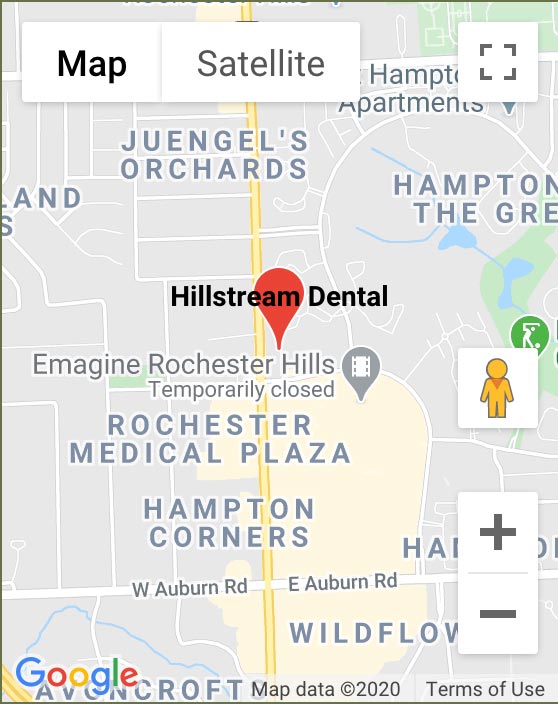
 St. Clair Shores Location: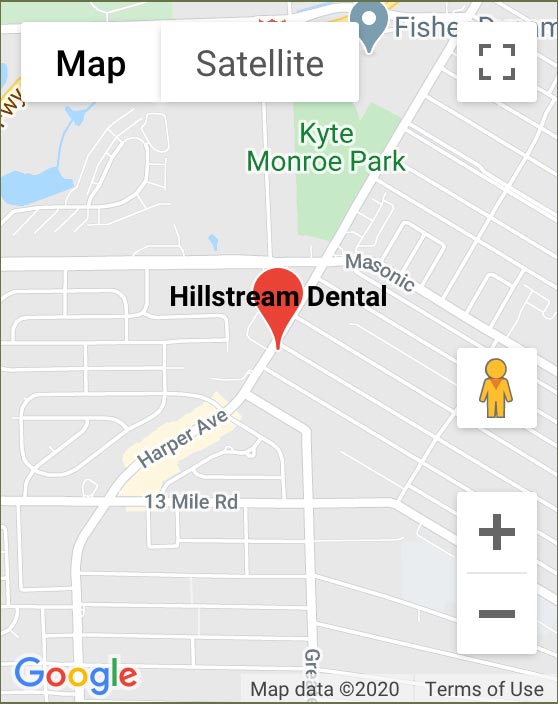
 Milford Location: