When a crown starts moving, the first question is usually not whether it needs attention. Most people already know it does. The real question is how fast they need to get in.
Maybe the crown shifts a little when you chew. Maybe it feels high when you bite down, catches food near the edge, or seems like it could lift when you eat something sticky. Sometimes there is no pain at all, which can make the timing harder to judge. You may be wondering whether you need to call today, whether it can wait until next week, or whether you should avoid chewing on that side and see what happens.
A loose crown is usually a “call soon” problem. It may not require an emergency visit that same hour, but it is also not something to leave alone for weeks. Once the crown is no longer sealed tightly to the tooth, food, moisture, and bacteria can work underneath it. Meanwhile, the tooth beneath the crown may be more exposed to pressure than it should be.
At Hillstream Dental, patients in Rochester Hills, St. Clair Shores, and Milford, MI often call as soon as a crown starts feeling different. That is the right move. The earlier the crown is checked, the better chance there is of protecting the tooth underneath before a small problem turns into decay, a fracture, or a crown that comes off at the wrong time.
How Long Can a Loose Crown Wait?
There is not one exact answer that works for every crown. A crown that feels slightly loose but is not painful is different from one that rocks when you chew, feels sharp around the edge, or has already started coming off.
Still, it is best to contact the office within a day or two after you notice movement. The crown may stay in place for a while, but it is not likely to tighten back up on its own. If the cement seal has broken down, the space around the crown can let food and bacteria reach the tooth underneath.
Waiting a few days while you arrange an appointment is often manageable when the crown is stable and you can avoid chewing on that side. Waiting several weeks is a different situation. Over time, the tooth may develop decay beneath the crown, the crown may loosen further, or the tooth could crack if it is taking pressure unevenly.
Call more quickly if the crown feels very loose, hurts when you bite, has a bad taste or smell around it, or comes off completely. Swelling, severe pain, or fever can point to a more urgent issue and should be addressed promptly.
Why a Loose Crown Can Become More Complicated
A crown is usually placed on a tooth that needed extra protection. The tooth may have had a large filling, a crack, a root canal, a lot of wear, or decay that removed too much structure for a filling alone to hold up well.
When the crown is firmly in place, it covers and supports that tooth. However, when it starts moving, the fit around the edge may no longer be sealed. Food can slip under the crown, especially near the gumline, and bacteria can begin working into a space you cannot clean well at home.
That does not mean every loose crown is hiding a major problem. Sometimes the crown and tooth are both in good shape, and the cement has simply worn down. In that situation, your dentist may be able to clean the crown and tooth, then recement it.
However, if decay has developed underneath, the tooth has cracked, or the crown no longer fits properly, the next step may be more involved. That is why it helps to have the area checked before the crown falls off or the tooth starts hurting.
Clues That Your Crown Is Starting to Loosen
A crown does not always feel loose in an obvious way. In some cases, it is more of a change than a clear movement.
You may notice that the tooth feels different when you bite. It may feel slightly high, or you may find yourself avoiding that side because it does not come together the same way. A crown can also start catching food at the edge, especially where it meets the gumline.
Floss can be another clue. If floss starts shredding around the crown, catches in one spot, or seems to pull upward on the crown, it is worth mentioning. Cold sensitivity, discomfort with sweets, or pressure when chewing can also suggest that the tooth underneath is becoming exposed.
Sometimes people notice a faint clicking or shifting feeling when they chew. Other times, the crown feels stable until they eat something sticky, such as caramel, gum, chewy bread, or a granola bar. Even if it only happens once, that is enough reason to call and have it checked.
What to Do Until You Can Get In
Once you notice a loose crown, try to take pressure off that side of your mouth. That does not mean you have to live on liquids, but softer foods are usually easier on the area while you wait for your appointment.
Eggs, yogurt, soup, pasta, oatmeal, fish, cooked vegetables, and softer fruits are generally less likely to pull or press on the crown. On the other hand, it is smart to skip sticky foods, hard candy, nuts, popcorn, crusty bread, and chewy snacks for the moment. Those foods can either dislodge the crown or put too much pressure on the tooth beneath it.
Continue brushing around the crown and along the gumline. Food trapped around a loose crown can irritate the gums and make the area feel worse, so keeping it clean is still important. If floss catches under the edge, pull it out through the side instead of lifting it straight up, since upward pressure can tug on the crown.
Warm saltwater rinses can be soothing if the gums nearby feel irritated. They will not fix the crown, but they can help keep the area fresher until you are seen.
Do Not Try to Glue the Crown Back on Yourself
When a crown comes loose or falls off, it is tempting to look for a fast fix at home. However, household glue, super glue, craft adhesive, or anything meant for repairs around the house should never go in your mouth.
Those products are not designed for dental use. They can irritate tissue, make the crown harder to remove, and prevent it from fitting correctly when your dentist needs to evaluate the tooth. They can also trap bacteria underneath the crown, which is the opposite of what you want.
Some pharmacies sell temporary dental cement. In certain cases, it may be appropriate for a very short-term situation, but it is still best to call the office before using it. A crown can come off because of decay, a cracked tooth, or a change in the tooth structure, and putting it back into place without checking the tooth can hide the reason it loosened.
If the crown has come off, rinse it gently with water, place it in a clean container or small bag, and bring it to your appointment. The crown may still be usable, and having it with you gives the dental team more options.
Can a Loose Crown Be Recemented?
Sometimes it can. If the crown is intact, the tooth underneath is healthy, and the fit still looks good, recementing may be all that is needed.
This often happens when the cement holding the crown in place has worn down over time. Your dentist can remove the crown, clean both the inside of the crown and the tooth, check for decay or damage, and decide whether it can be secured again.
However, recementing is not always the right answer. A crown may need to be replaced if it has cracked, does not fit well anymore, or has worn down enough to affect your bite. The tooth underneath may also need treatment first if there is decay near the edge, a broken filling, or a crack in the remaining tooth structure.
An exam and X-rays can help show what is happening below the crown, where you cannot see it. From there, the dentist can explain whether the crown can be reused, whether a new crown would be better, or whether the tooth needs additional care first.
What if the Crown Comes off Completely?
If the crown comes off, save it. Even if it looks dirty or has cement stuck inside, do not throw it away. Rinse it gently with water and keep it in a clean container until your appointment.
The tooth underneath may feel sensitive to air, cold drinks, or pressure because it is no longer covered. Try to avoid chewing on that side, and stay away from hard, sticky, or crunchy foods until you are seen. The tooth may be more fragile than it looks, especially if it had a root canal, a large filling, or a crack before the crown was placed.
Continue brushing carefully around the area. If the tooth is sharp, a small piece of dental wax may help cover the edge temporarily until your visit. If you have worsening pain, swelling, or part of the tooth came off with the crown, call the office promptly.
Even when there is no pain, it is still wise to schedule the visit soon. The longer the tooth stays uncovered, the more likely it is to shift slightly, collect bacteria, or become difficult to restore with the original crown.
When a Loose Crown Needs Same-Day Attention
Most loose crowns do not mean you need to go to an emergency room. However, there are situations where calling the dental office the same day is the better move.
Reach out promptly if you have swelling around the tooth or face, pain that is getting worse, a fever, or a bad taste that keeps returning. Those symptoms can suggest infection or decay that has moved deeper into the tooth.
You should also call sooner if the crown is loose enough that you are worried about swallowing it, if it has fallen off and the tooth feels cracked or sharp, or if your bite suddenly feels very uneven. Continuing to chew on a crown that has shifted out of place can put too much force on the tooth and surrounding teeth.
When you call Hillstream Dental, explain what you are noticing: whether the crown moves, whether it hurts, whether it came off, and whether there is swelling or sensitivity. That helps the team guide you on how quickly you should be seen and what to do in the meantime.
Loose Crown Care in Rochester Hills, St. Clair Shores, and Milford, MI
A loose crown may not hurt right away, but it is still worth addressing soon. The crown is there to protect a tooth that may already be weakened, and once the fit changes, the tooth underneath can become more vulnerable to bacteria, decay, and cracks.
At Hillstream Dental, Dr. Robert Hubbard, Dr. Dominik Wietrzynski, Dr. Carly Szurek, Dr. Justin Leath, Dr. Sean Thomas, Dr. Samantha Hinsenkamp, and Dr. Morgan Semaan see patients from Rochester Hills, St. Clair Shores, and Milford, MI for loose crowns, broken dental work, tooth sensitivity, and urgent dental concerns. Call to schedule an appointment if your crown is shifting, catching food, hurting when you chew, or has come off completely.
Contact UsImage from Authority Dental under CC 2.0
 Rochester Hills Location: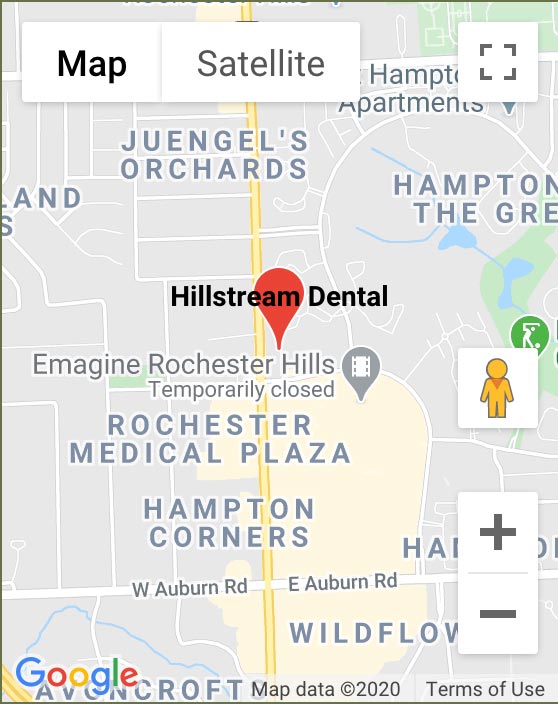
 St. Clair Shores Location: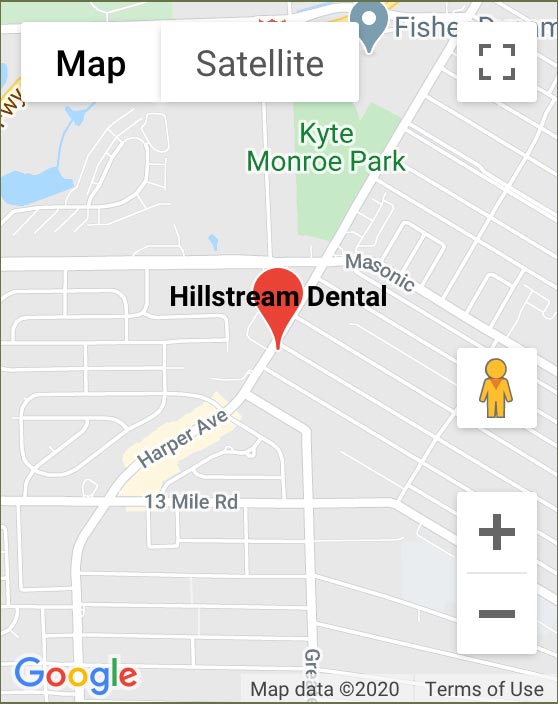
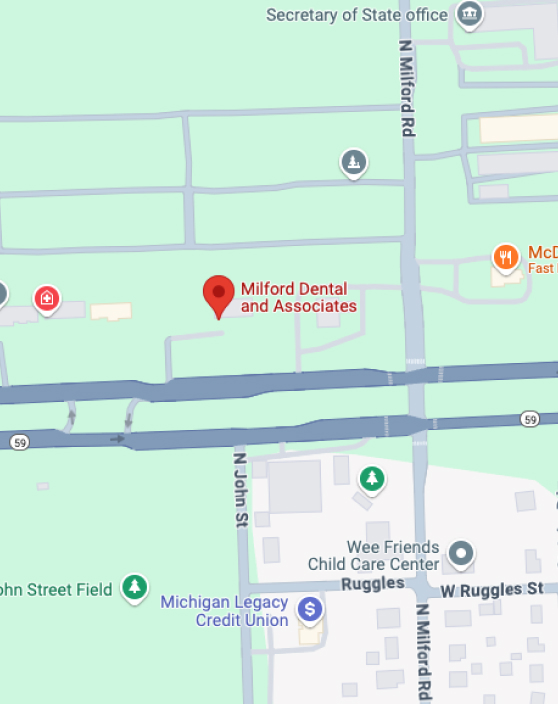
 Milford Location: