
That quick zing from a cold drink can make your mind jump straight to one thought: cavity. It is an easy connection to make, especially if the feeling catches you off guard or keeps happening in the same area. One sharp twinge from ice water, coffee, or a bite of something sweet can be enough to make anyone wonder what is going on.
Still, tooth sensitivity is not always a cavity. Sometimes it is related to enamel wear, gum recession, teeth grinding, whitening products, or even a recent dental cleaning. Other times, it may come from a cracked tooth or an older filling that needs attention. The feeling can be similar, but the cause is not always the same.
That is why it helps to have sensitive teeth checked instead of guessing. At Hillstream Dental, with locations in Rochester Hills, St. Clair Shores, and Milford, MI, Dr. Robert Hubbard, Dr. Dominik Wietrzynski, Dr. Carly Szurek, Dr. Justin Leath, Dr. Sean Thomas, and Dr. Morgan Semaan help patients sort out what is causing sensitivity and what can be done about it. In many cases, the answer is simpler than people expect.
Sensitivity Can Happen When Enamel Wears Down
Enamel is the hard outer layer that protects your teeth. Even though it is strong, it can wear down over time. When that protective layer gets thinner, the inner part of the tooth becomes more exposed to temperature changes, sweets, and pressure.
This kind of sensitivity often feels sharp but brief. You may notice it when drinking cold water, eating ice cream, or having something acidic like citrus or soda. The discomfort may fade quickly, but if it keeps happening, it is worth paying attention to.
Enamel wear can come from several habits. Brushing too hard, using a stiff toothbrush, grinding your teeth, or frequently eating acidic foods can all play a role. Since enamel does not grow back, the goal is to protect what remains and reduce the irritation before it gets worse.
Treatment depends on what the dentist sees during an exam. Sometimes a fluoride treatment or sensitivity toothpaste is enough. In other cases, the tooth may need bonding or another protective option to cover exposed areas and make eating and drinking more comfortable again.
Gum Recession Can Expose Sensitive Areas
Sometimes the tooth itself is healthy, but the gum tissue has shifted. When gums recede, they expose parts of the tooth that are not covered by enamel in the same way the crown of the tooth is. These exposed root surfaces can be much more sensitive.
This can make cold drinks, brushing, or even breathing in cool air feel uncomfortable. The sensitivity may be close to the gumline and may affect one tooth or several teeth.
Gum recession can happen for different reasons. Brushing too aggressively is one common cause. Gum disease, teeth grinding, genetics, and normal changes over time can also contribute. Because the cause matters, it is important not to assume sensitivity near the gumline is automatically a cavity.
At Hillstream Dental, the team can check whether gum recession is present and whether there are signs of inflammation or gum disease. From there, treatment may include changes to brushing habits, desensitizing products, gum care, or other recommendations based on how much recession is present.
Teeth Grinding Can Make Teeth Feel Sore or Sensitive
Grinding or clenching your teeth can create sensitivity even when there is no decay. Many people grind their teeth at night without realizing it. Others clench during the day while working, driving, exercising, or concentrating.
Over time, that pressure can wear down enamel and strain the teeth. You may notice sensitivity to cold, soreness when chewing, jaw tightness, or headaches when you wake up. Sometimes the teeth simply feel tired or tender without a clear reason.
This type of sensitivity can be confusing because it does not always point to one specific tooth. It may move around or feel worse during stressful periods. Since grinding can also lead to cracks, worn edges, and bite problems, it is worth bringing up during a dental visit.
If grinding is part of the issue, a dentist may recommend a custom nightguard or other steps to reduce pressure on the teeth. Protecting the teeth from repeated force can help reduce sensitivity and prevent more serious damage over time.
Whitening Products Can Cause Temporary Sensitivity
Whitening strips, trays, and other whitening products can sometimes cause tooth sensitivity. This does not always mean something is wrong. Whitening ingredients can temporarily irritate the teeth, especially if the product is used frequently or left on too long.
The sensitivity may show up as a general ache or a quick reaction to cold. It may affect several teeth at once instead of one specific spot. In many cases, it improves after taking a break from whitening or switching to a gentler approach.
However, it is still helpful to check in with a dentist if whitening sensitivity feels strong, lasts more than a few days, or affects one tooth more than the others. That can help rule out cavities, cracks, or exposed roots.
A dental team can also help you choose a whitening option that fits your teeth and comfort level. Sometimes small adjustments, such as using sensitivity toothpaste before whitening or spacing treatments farther apart, can make a big difference.
A Recent Cleaning or Dental Treatment Can Leave Teeth Sensitive
Some sensitivity is temporary after a dental cleaning or procedure. If plaque and tartar were removed from areas near the gumline, the teeth may feel more sensitive for a short time afterward. This is especially common if there was buildup around the gums or if certain areas were already exposed.
Dental fillings, crowns, and other treatments can also cause short-term sensitivity while the tooth settles. That does not always mean the treatment failed or that there is a new cavity. The tooth may simply need a little time to calm down.
Even so, sensitivity should improve instead of getting worse. If discomfort lingers, becomes sharper, or affects your bite, it is a good idea to call the office. Sometimes a small bite adjustment or follow-up exam can help solve the problem quickly.
The key is paying attention to the pattern. Temporary sensitivity after treatment is common, but ongoing discomfort deserves a closer look.
Cracks, Worn Fillings, or Bite Issues Can Feel Like Sensitivity
A cavity is not the only reason a tooth may react to temperature or pressure. A small crack, worn filling, or uneven bite can also make a tooth feel sensitive.
Cracks can be especially tricky because they are not always easy to see. You may feel a sharp sensation when biting down or releasing pressure. It might happen with certain foods and then disappear. Because the symptoms can come and go, people sometimes wait longer than they should to mention it.
Older fillings can also wear down or pull away from the tooth over time. When that happens, bacteria and fluids may reach areas that should be sealed, causing sensitivity. In some cases, replacing the filling or placing a crown may be needed to protect the tooth.
Bite issues can create similar discomfort. If one tooth is taking more pressure than it should, it may become tender or sensitive. A dental exam can help identify whether the issue is decay, a crack, a filling problem, or pressure from the bite.
When Sensitivity Might Actually Be a Cavity
While tooth sensitivity is not always a cavity, cavities can definitely cause sensitivity. Decay creates weak spots in the tooth and can allow temperature, sugar, and bacteria to reach deeper layers.
Cavity-related sensitivity may start as a quick reaction to cold or sweets. As the decay gets deeper, the discomfort may last longer or become more noticeable when chewing. You may also see a dark spot, feel a rough edge, or notice food catching in the same area.
The earlier a cavity is found, the easier it is usually to treat. A small cavity may only need a filling, while deeper decay can require more involved care. That is why sensitivity that keeps returning should not be ignored.
During an exam, the dentist can check for decay and take X-rays if needed. That gives you a clear answer instead of having to guess based on symptoms alone.
How Dentists Find the Cause of Sensitivity
Because sensitivity can come from several different causes, the exam matters. A dentist will usually start by asking when the sensitivity happens, how long it lasts, and whether it is triggered by cold, heat, sweets, brushing, or biting pressure.
From there, the dentist may check the tooth surfaces, gumline, bite, existing fillings, and signs of wear. X-rays may be used to look for cavities, bone changes, or issues that are not visible during a visual exam.
This process helps narrow things down. For example, sensitivity near the gumline may point to recession. Pain when biting may suggest a crack or bite issue. Sensitivity to sweets may raise concern for decay.
Once the cause is clear, the treatment can be much more specific. That is better than trying random products and hoping one works.
What You Can Do at Home for Sensitive Teeth
There are a few simple steps that may help with mild sensitivity. Switching to a soft-bristled toothbrush and brushing with gentle pressure can reduce irritation, especially near the gumline. Many people brush harder than they realize, and over time, that can wear down enamel or affect gum tissue.
Sensitivity toothpaste may also help when used consistently. It often takes a few weeks to notice a difference, so it is not an instant fix. However, for enamel wear or exposed root surfaces, it can be helpful.
It is also smart to limit acidic drinks and avoid brushing immediately after having something acidic. Waiting a bit gives your enamel time to recover from the acid exposure before you brush.
These steps can help, but they are not a replacement for an exam if sensitivity is new, worsening, or focused on one tooth. Home care works best when you already know what is causing the problem.
Tooth Sensitivity Care in Rochester Hills, St. Clair Shores, and Milford, MI
If you have been avoiding cold drinks, chewing on one side, or wondering whether a sensitive tooth means a cavity, it is worth getting a clear answer. Tooth sensitivity can come from several causes, and many of them are easier to address when they are caught early.
At Hillstream Dental, patients in Rochester Hills, St. Clair Shores, and Milford, MI can receive a careful exam and straightforward guidance from Dr. Robert Hubbard, Dr. Dominik Wietrzynski, Dr. Carly Szurek, Dr. Justin Leath, Dr. Sean Thomas, Dr. Morgan Semaan, and Dr. Samantha Hinsenkamp. The goal is to identify the cause, explain your options clearly, and recommend care that fits what your tooth actually needs.
If sensitivity has been bothering you or keeps coming back, scheduling a visit is a practical next step. You do not have to guess whether it is a cavity, enamel wear, gum recession, or something else. A simple exam can help you understand what is happening and what to do next.
FAQs
Does tooth sensitivity always mean I have a cavity? No, tooth sensitivity does not always mean you have a cavity. It can also come from enamel wear, gum recession, grinding, whitening products, recent dental treatment, or a crack in the tooth. Since the symptoms can feel similar, a dental exam is the best way to know for sure.
Why does one tooth hurt when I drink something cold? Cold sensitivity in one tooth may be caused by a cavity, exposed root surface, crack, worn filling, or bite pressure. If it keeps happening in the same spot, it is worth having it checked so the cause can be identified before it worsens.
Can brushing too hard cause sensitive teeth? Yes, brushing too hard can wear down enamel and contribute to gum recession. Both can make teeth more sensitive, especially near the gumline. Using a soft toothbrush and lighter pressure can help protect your teeth and gums.
Can teeth grinding cause sensitivity without a cavity? Yes, grinding or clenching can wear down enamel and put stress on the teeth. This may cause sensitivity, soreness, or discomfort when chewing even if there is no decay present.
Is sensitivity after whitening normal? Some sensitivity after whitening can be normal, especially if you use whitening products often. However, if the sensitivity is severe, lasts longer than expected, or affects one tooth more than the others, it is a good idea to check in with a dentist.
When should I see a dentist for tooth sensitivity? You should schedule a visit if sensitivity keeps coming back, lasts more than a few days, affects one tooth, wakes you up, or causes discomfort when biting. These signs can point to an issue that needs treatment rather than just a sensitivity toothpaste.
Contact UsImage from Authority Dental under CC 2.0
 Rochester Hills Location: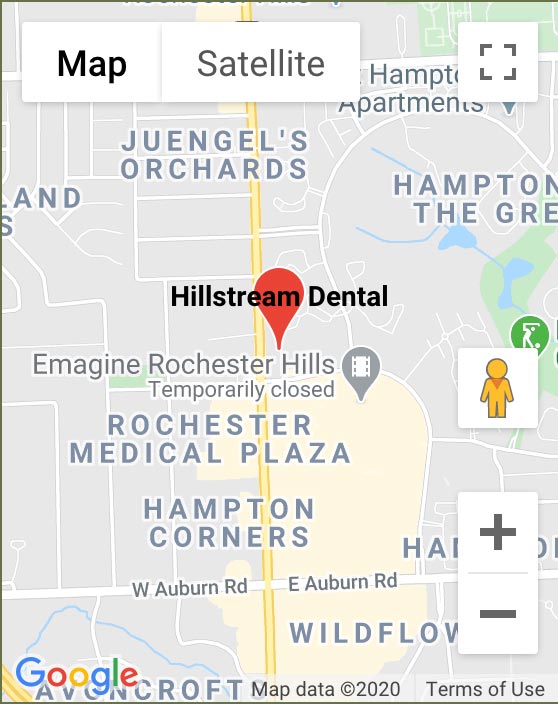
 St. Clair Shores Location: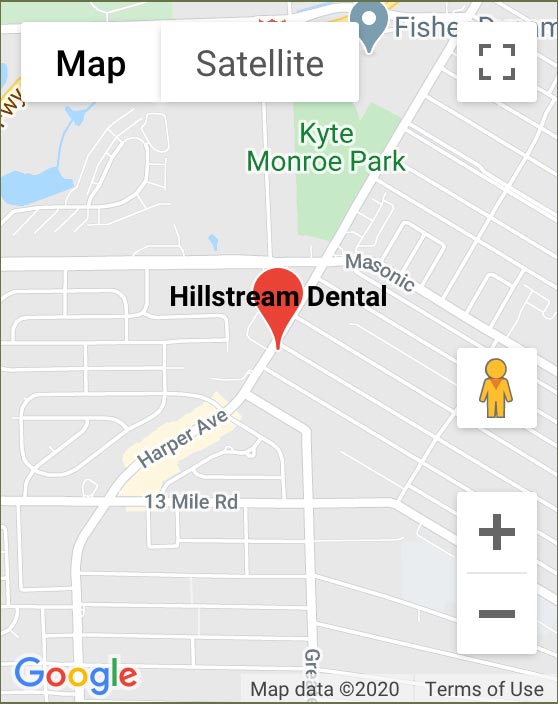
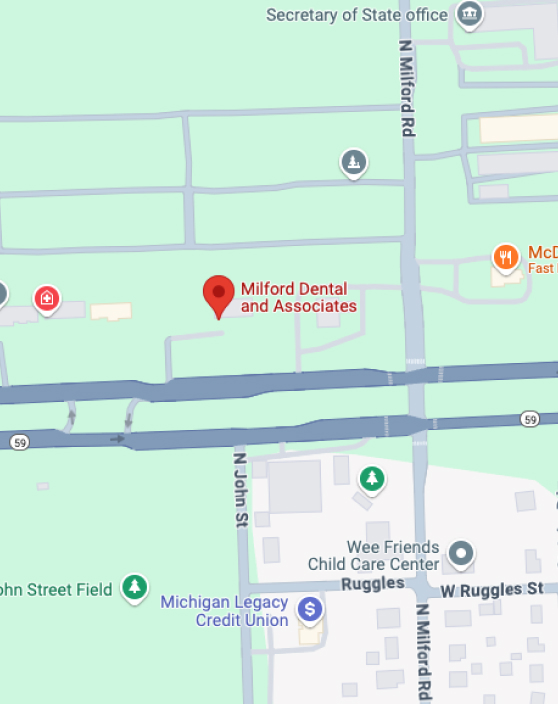
 Milford Location: