
Tooth pain doesn’t always feel the same from one situation to the next. Sometimes it’s sharp and immediate. Other times it’s dull, lingering, or only shows up when you eat or drink something specific. The type of pain you’re feeling can actually tell you quite a bit about what’s going on.
Paying attention to those details—when it happens, how it feels, and what triggers it—can make it easier to figure out what needs attention and how soon to have it looked at.
Sharp Pain When Biting Down
Pain that happens when you bite or chew often points to something structural.
In many cases, this can be related to a cracked tooth, a loose or failing filling, or pressure on a specific area of the tooth. The discomfort may feel very localized, almost like you can pinpoint the exact spot when you bite down.
Sometimes the pain comes and goes, which can make it easy to ignore at first. However, if that pressure continues to cause discomfort, it’s worth having it evaluated. Depending on the cause, treatment may involve adjusting the bite, replacing a filling, placing a crown to protect the tooth, or addressing a crack before it worsens.
Lingering Sensitivity to Hot or Cold
Sensitivity that lingers after exposure to hot or cold is usually different from the quick, mild sensitivity many people experience occasionally.
If the sensation sticks around for several seconds—or longer—it may indicate that the inner portion of the tooth is becoming irritated or inflamed. This can happen when decay gets closer to the nerve or when a filling no longer seals the tooth the way it should.
Because this type of sensitivity tends to develop gradually, it’s often noticed during everyday habits like drinking coffee or eating something cold. When it starts lasting longer than expected, it’s a sign the tooth may need more than just monitoring. Treatment could range from a new filling to remove decay, or in more advanced cases, root canal therapy if the nerve is involved.
Dull, Constant Aching
A steady, dull ache is often a sign of inflammation inside the tooth or pressure building around it.
This type of discomfort can feel less sharp but more persistent. It may be harder to pinpoint exactly which tooth is causing the issue, especially if the surrounding area feels sore as well.
In some cases, this kind of pain is associated with infection. As pressure builds within the tooth or surrounding tissue, the discomfort tends to become more noticeable over time rather than improving on its own. Treatment often involves removing the source of the infection, which may include a root canal or, in some cases, addressing the area around the tooth if the infection has spread.
Pain With Swelling or a Bad Taste
When tooth pain is paired with swelling, tenderness in the gums, or a bad taste in the mouth, it often points to an infection that needs prompt attention.
You might notice a pimple-like bump on the gums, or experience a sudden release of pressure followed by a bad taste. These are signs that the body is trying to manage the infection, but the source is still present.
At this stage, treatment is usually needed to remove the infection and prevent it from spreading. That may involve draining the area, prescribing medication when appropriate, and treating the tooth itself—often with a root canal or other restorative care depending on the situation.
Sensitivity Along the Gumline
Sensitivity near the gumline often feels different from pain inside the tooth.
It can be triggered by brushing, cold air, or certain foods, and is commonly linked to gum recession or exposed root surfaces. When the gums pull back slightly, the underlying tooth structure becomes more sensitive to temperature and touch.
This type of discomfort is usually manageable, but it’s still worth addressing. Treatment may include sensitivity toothpaste, in office desensitizing products, changes in brushing technique, or, in some cases, treatments that help protect exposed areas and reduce sensitivity over time.
Pain That Comes and Goes
Pain that isn’t consistent can be one of the more confusing types.
You may notice it for a few days, then it seems to settle down, only to come back later. This pattern can happen with cracks, early decay, or bite-related issues where pressure isn’t evenly distributed.
Even though the pain isn’t constant, it doesn’t mean the problem has resolved. In many cases, it’s still there, just not active all the time. Depending on the cause, treatment may involve monitoring, placing a restoration, or adjusting the bite to reduce stress on certain teeth.
Jaw Soreness or Generalized Tooth Discomfort
Sometimes tooth pain isn’t tied to a single tooth at all.
If your teeth feel sore overall, or if you notice jaw tightness or fatigue, it may be related to grinding or clenching. This often happens during sleep, so it’s not always something you’re aware of.
Over time, that pressure can lead to wear, sensitivity, or even small fractures. Identifying that pattern early makes it easier to protect the teeth. Treatment often includes a custom nightguard to reduce pressure, along with addressing any damage that has already occurred.
Why the Type of Pain Matters
Not all tooth pain requires the same type of treatment, which is why the details matter.
Sharp, pressure-related pain may point to a crack. Lingering sensitivity may suggest nerve irritation. Swelling or a bad taste can indicate infection. Each of these situations is handled differently, so understanding the pattern helps guide the next step.
Even if the pain feels mild, changes in how your teeth respond are worth paying attention to. Addressing things early often keeps treatment simpler and more predictable.
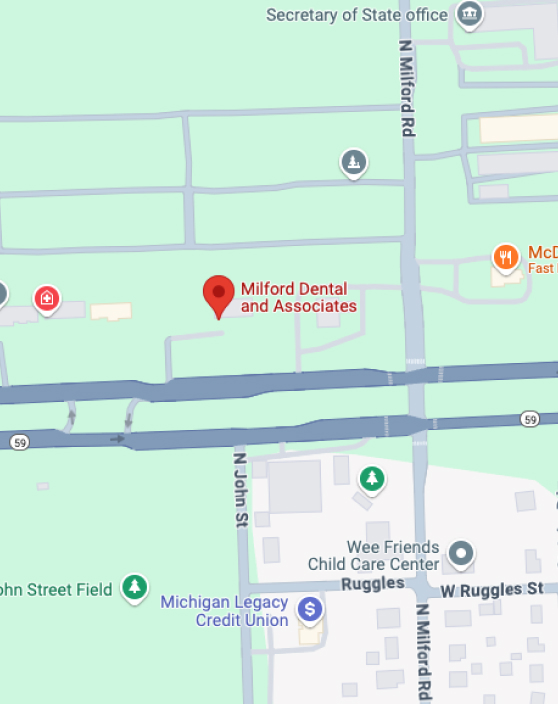
Tooth Pain Evaluation in Rochester Hills, St. Clair Shores, and Milford, MI
At Hillstream Dental, with locations in Rochester Hills, St. Clair Shores, and Milford, MI, Dr. Robert Hubbard, Dr. Dominik Wietrzynski, Dr. Carly Szurek, Dr. Justin Leath, Dr. Sean Thomas, Dr. Morgan Semaan, and Dr. Samantha Hinsenkamp take a careful approach to evaluating tooth pain.
By looking at how the pain presents, when it occurs, and what triggers it, the goal is to identify the source clearly and recommend the right next step. If you’ve noticed changes in how your teeth feel, scheduling an evaluation can help you understand what’s going on and address it before it becomes more involved.
Contact Us Rochester Hills Location: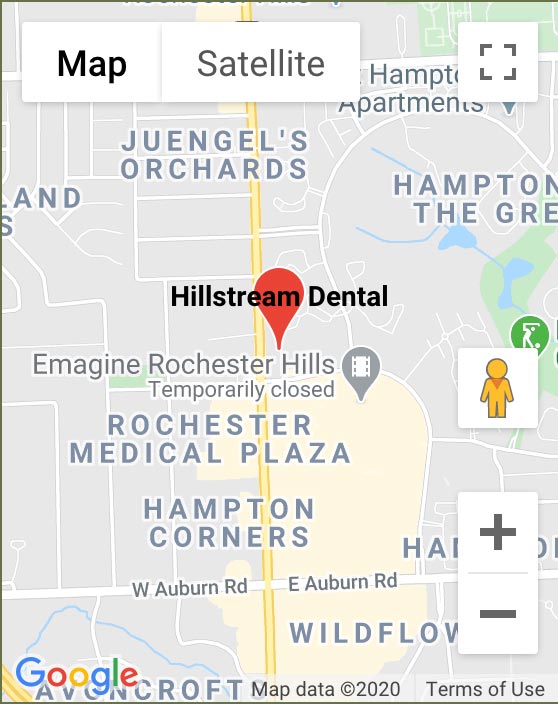
 St. Clair Shores Location: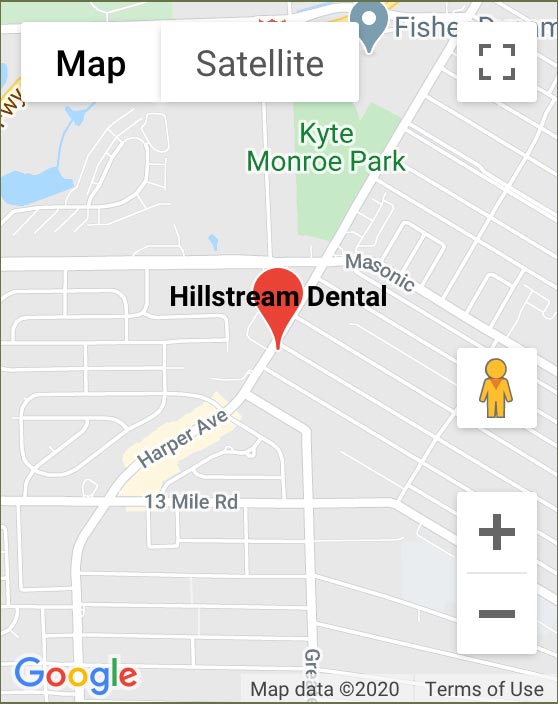
 Milford Location: